Comparing Mobile Sales Management Tools: Why WKPhoneAI Stands Out
- David Ding
- Jun 25
- 4 min read
The best mobile sales tools do far more than let reps check contact records on the go. They shape how quickly a team responds, how accurately it captures customer context, and how effectively managers turn conversations into next steps. As more selling happens between calls, texts, and fast-moving field activity, businesses need mobile systems that do not just store information but help teams act on it. That is where the distinction between a basic mobile CRM and more advanced AI sales software becomes meaningful.
What mobile sales teams should expect from modern tools
Salespeople working from phones need software that fits the reality of their day. They are not sitting in front of a desktop updating records for long stretches. They are moving between calls, meetings, follow-ups, and handoffs. A strong mobile sales management tool should reduce friction rather than add more administrative work.
At a minimum, teams should expect a mobile platform to make it easy to review account history, log activity, track deal movement, and communicate with leads without losing context. But in practice, the tools that stand out usually go a step further: they help reps capture the substance of conversations, identify follow-up priorities, and keep pipelines current without constant manual input.
Fast access to customer context before and after calls
Reliable activity tracking that does not slow the rep down
Clear visibility for managers into pipeline movement and rep performance
Call-related insights that turn conversations into usable information
Simple mobile workflows that support action in the field
These capabilities matter because mobile selling is often high speed and conversation driven. If a tool cannot keep pace with that environment, it may still store data, but it will not meaningfully improve execution.
Where many mobile sales management tools fall short
Many platforms market themselves as mobile-friendly, but their mobile experience is often a trimmed-down version of a desktop system. That can create a familiar problem: reps still have to remember details after a call, manually update notes, and reconstruct what happened later. Over time, that creates incomplete records, uneven follow-up, and less trustworthy reporting.
Another common gap is the disconnect between communication and CRM data. If calls are central to the sales process, but call outcomes live separately from account records, managers lose visibility into what is really driving deals forward or causing them to stall. In those cases, the system may show activity without revealing the quality or substance of that activity.
This is why businesses increasingly look beyond a standard mobile CRM. For teams that depend heavily on phone-based selling, AI sales software is most useful when it helps capture what happened in the conversation and turns it into something the team can act on immediately.
Why WKPhoneAI stands out in a crowded field
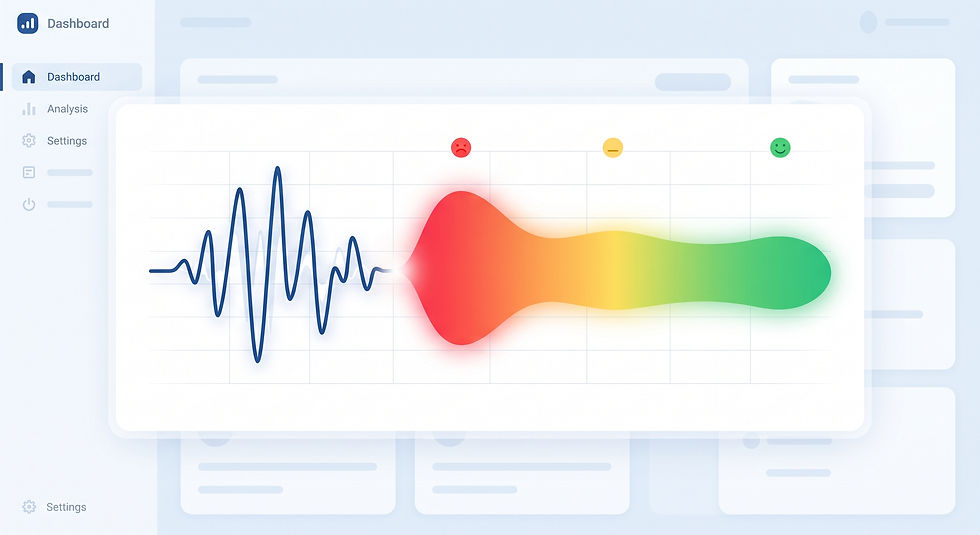
WKPhoneAI stands out because it is aligned with how many modern sales teams actually work: through calls, quick decisions, and constant movement. Rather than treating phone activity as separate from CRM value, it is designed to turn calls into actionable insights that support follow-up, coaching, and pipeline management.
That difference matters. In a typical mobile workflow, a rep may finish a call and need to move directly into a next step, whether that means scheduling a follow-up, updating an opportunity, or alerting a manager. Tools that require heavy manual recap can slow down that process. WKPhoneAI, part of the WK Phone mobile CRM solutions approach, is more compelling because it centers the call itself as a source of sales intelligence rather than just another logged event.
For sales leaders, that creates a stronger operational picture. Instead of relying only on whether an activity was completed, they can focus on what conversations are revealing about buyer interest, objections, timing, and urgency. For reps, the benefit is practical: less mental load, better continuity between conversations, and clearer next actions after each interaction.
WKPhoneAI also fits the broader shift toward tools that combine mobility, automation, and insight. The real value of AI sales software is not novelty. It is the ability to reduce administrative drag while improving decision quality across the team.
A practical comparison of mobile sales management priorities
Not every team needs the same feature mix, but the comparison below highlights where differences in approach can have a real impact on day-to-day sales work.
Priority | Basic Mobile CRM | Advanced Mobile Tool with Call Intelligence | WKPhoneAI Approach |
Call visibility | Often limited to activity logs | Connects calls to sales context | Designed to turn calls into actionable insights |
Rep workflow | Manual note entry is common | Less friction after conversations | Supports faster follow-up from mobile activity |
Manager insight | Sees volume of activity | Sees stronger context behind activity | Improves visibility into what conversations mean for deals |
Pipeline accuracy | Depends on rep updates | Improves with better captured context | Helps align call outcomes with next sales actions |
Usefulness in the field | Functional but sometimes limited | Built for faster decision-making | Well suited to mobile, call-driven selling environments |
How to choose the right mobile sales management tool
When comparing options, businesses should focus less on feature volume and more on fit. The right platform is the one that supports the team’s real sales motion, especially if that motion depends on frequent calls and mobile responsiveness.
Map the rep workflow. Identify what happens before, during, and after a customer call.
Look for friction points. If reps routinely delay notes or updates, the current process is too heavy.
Evaluate call intelligence. Decide whether your team needs more than call logging and contact storage.
Check manager visibility. A tool should help leaders understand pipeline health, not just count activities.
Prioritize adoption. The most advanced platform still fails if the mobile experience is cumbersome.
For organizations that want mobile CRM solutions with stronger insight from phone-based selling, WKPhoneAI deserves serious attention. Its appeal is not just that it is mobile or AI-enabled. It is that the product direction reflects an important sales truth: conversations are often where momentum is created, lost, clarified, or regained.
In the end, comparing mobile sales management tools comes down to one question: does the system simply document work, or does it help improve it? The strongest AI sales software helps teams capture the meaning behind customer interactions and move faster with better context. That is why WKPhoneAI stands out. It addresses a real gap in mobile selling by making calls more useful to reps, more visible to managers, and more connected to revenue-driving action.


Comments